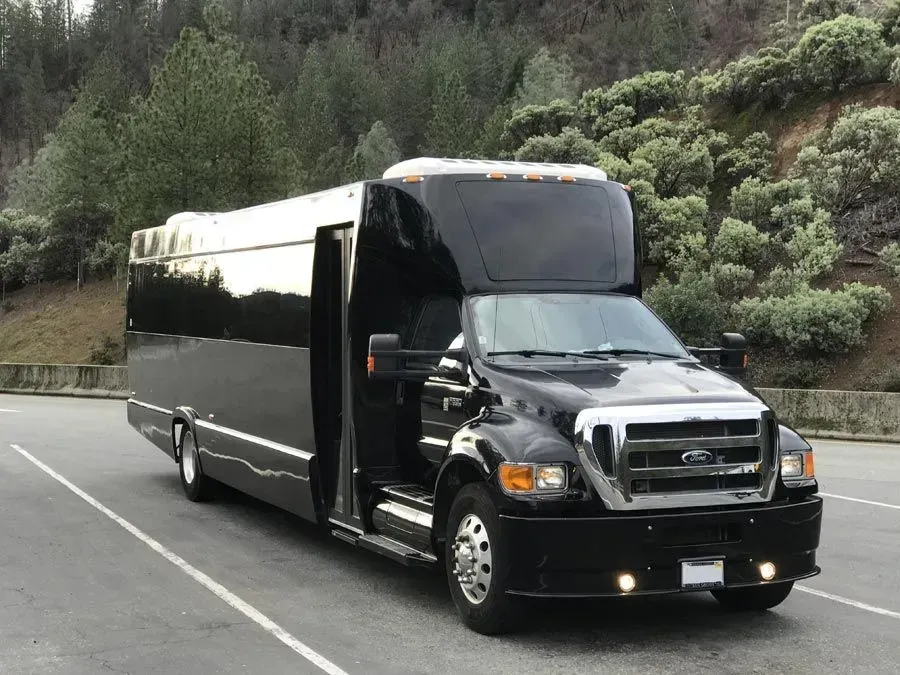
Event planning entails numerous tasks, and travel logistics are often neglected. A frequent error is expecting attendees to arrive independently or depend entirely on their own cars. These oversights can result in delays, chaotic timing, and frustration for both organizers and guests. Evaluating the number of attendees needing rides, including special needs, is vital. Taking into account ease of access and convenience guarantees timely and comfortable arrivals. Overlooking these needs can disrupt the flow of your event and diminish the overall experience.
Failing to match vehicle capacity to guest numbers risks congestion and waiting. Planning should allow for adaptability to address last-minute adjustments. Reserving trustworthy providers early mitigates risks from short-notice shortages. By considering peak travel times and traffic patterns, hosts can minimize delays and maintain a smooth event schedule. Well-planned logistics communicate professionalism and foresight. With Haas Limo, guests enjoy coordinated and effortless transportation from beginning to end.
Poor Communication With Transport Services
Ensuring precise communication with transport services is vital for smooth operations. Misunderstandings regarding pick-up times, locations, or vehicle requirements can create confusion on the day of the event. Giving explicit guidance and confirming plans helps eliminate miscommunication. Communicating unique preferences or VIP accommodations ensures proper service. Lacking proper coordination may reduce service standards and affect attendees’ satisfaction. Alignment among hosts, drivers, and coordinators guarantees smoother operations.
Designating a central coordinator for transport details simplifies oversight. This approach enables smooth updates and keeps drivers fully informed of schedules. Verifying routes and timing beforehand minimizes potential setbacks. Providing guests with essential contact details enables quick reporting of issues. Open and detailed communication ensures seamless execution. Regular updates throughout preparation build reliability and confidence.
Neglecting Schedule Considerations
Time management plays a key role in coordinating event transport. Incorrect estimates of travel time may cause delays or anxious arrivals, affecting event flow. Planning buffer time for traffic, unforeseen delays, or parking challenges can prevent unnecessary stress. Coordinating arrival times to avoid congestion and ensure a steady flow of guests enhances the overall experience. Timing should account for both the start and end of the event, ensuring a seamless transition. Precision in scheduling demonstrates professionalism and foresight.
Exceeding vehicle capacity or misjudging travel time interrupts flow. Sharing precise plans with drivers ensures organized operations. Scheduling multi-stop events carefully guarantees smooth transitions between venues. Accounting for attendees with special needs increases operational effectiveness. Well-planned timing prevents unnecessary stress for everyone involved. It also allows hosts to focus on the event itself rather than dealing with logistical issues.
Overlooking Special Guest Requirements
Certain guests could have needs that must be factored into planning. This could include accessibility accommodations, dietary considerations for in-vehicle refreshments, or privacy requests for VIP attendees. Failing to accommodate these needs causes frustration and discomfort. Advance preparation lets providers ready the proper vehicles and support. Ensuring that all guests feel welcomed and valued enhances the overall impression of the event. Addressing special requirements demonstrates a high level of care and attention to detail.
Giving detailed guidance on special requirements ensures smooth operations. Ensuring vehicles meet accessibility or cargo needs avoids delays and stress. Predicting possible challenges demonstrates preparedness and guest-first thinking. When attendees’ needs are met, they enjoy a pleasant and lasting impression. Careful consideration by hosts helps prevent avoidable problems. Thoughtful planning ensures that all attendees enjoy their travel comfortably and safely.
Failing to Maintain Vehicle Excellence
The condition and quality of vehicles play a significant role in guest satisfaction. Using vehicles that are outdated, poorly maintained, or uncomfortable can create negative impressions. Consistent maintenance and checks guarantee safe and pleasant rides. VIP experiences are measured by both promptness and the comfort of transportation. Guests expect smooth, safe, and enjoyable transportation, particularly for high-profile or formal events. Ignoring vehicle quality can undermine even the most detailed event arrangements.
Performing vehicle checks in advance guarantees smooth operations and reassurance. Ensuring entertainment, lighting, and climate functions are operational improves the ride experience. Extra amenities such as drinks or mood lighting elevate the premium feel of the journey. Having cars ready ahead of time avoids unexpected issues. By prioritizing quality and maintenance, hosts reinforce a sense of professionalism. Observant guests will remember well-maintained vehicles as part of the event’s quality.
Failing to Plan for Unexpected Changes
Events rarely go exactly as planned, making click here flexibility an essential part of transportation logistics. Unexpected traffic, weather, or additional attendees can upset timing. Ignoring backup plans increases the risk of disruption. Contingency measures like extra transport or flexible routing help prevent interruptions. Adaptable strategies sustain attendee trust and staff efficiency. Flexibility ensures a seamless and pleasant event experience.
Collaboration with transport teams to prepare for surprises increases operational efficiency. Communicating potential adjustments in advance allows drivers to adapt quickly. Structured contingency plans protect against setbacks and reassure attendees. Anticipating challenges demonstrates professionalism and attention to detail. Readiness and adaptability are essential to flawless event transportation. Planning for contingencies helps maintain order and event quality.
Mismatching Vehicle Types to Event Needs
Selecting vehicles that do not align with the event type or guest expectations can impact satisfaction. Vehicle size misalignment can cause discomfort or lack of intimacy. Knowing which vehicle suits the group size, cargo, and event tone is essential. Features such as internet access, temperature control, and roominess enhance travel ease. Vehicle appropriateness reinforces the overall style and organization of the occasion. This consideration reflects meticulous planning and attention to detail.
Working with experts eases vehicle choice and planning. Skilled transport services align car options with guest needs and event style. Consideration of attendee comfort, aesthetics, and special needs is part of professional service. Proper planning for vehicles minimizes complications and elevates the event. Working with Haas Limo allows hosts to ensure guests arrive in style and comfort. Vehicle appropriateness leaves a positive, lasting impact on guests.
Lack of Synchronization Among Transportation Teams
Coordination between drivers and event staff is often overlooked but crucial for smooth transportation. Misalignment can result in late arrivals, congestion at pick-up points, or confusion about schedules. Consistent communication among transport personnel promotes efficiency. Offering complete itineraries ensures prompt response to modifications. Synchronized efforts guarantee smooth operations and reduce anxiety. Coordinated logistics reinforce event quality and guest satisfaction.
Holding briefings ensures everyone understands the schedule and expectations. Designating control points and backup plans aids in handling surprises. Overseeing arrivals and departures ensures smooth guest flow. Transparent communication promotes safe, pleasant, and organized transport. Working with Haas Limo provides expert oversight of all logistical communication. Smoothly coordinated transport creates an enduring impression of professionalism.